Tether Has Asked Hack Victims for a 20% Fee to Return Their Frozen USDT
Bloomberg found that Tether has charged hack victims up to a 20% "reissuance fee" to unfreeze stolen USDT, and has returned $1.2B of the $7B it froze.
Tether, the company behind the USDT stablecoin, has asked some hack victims to pay a 20% fee to get their frozen coins back, a Bloomberg News investigation published on November 25 found. Of more than $7 billion in USDT that Tether has frozen, it has returned only about $1.2 billion.
Why it matters
Freezing is often described as the safety net of stablecoins: if hackers steal your USDT, Tether can block it. Bloomberg's reporting shows the second half of that promise is slow and costly. Getting frozen money back can take years, and a fifth of it may go to Tether.
If you hold large amounts of USDT, the lesson is practical. A freeze stops the thief, but it does not guarantee you will see your money again soon. Protecting your keys and passwords still matters more than any recovery process.
The 20% "reissuance fee"
Bloomberg's main example is Bittok, a small Singapore exchange that lost $50 million to hackers in June 2020. Tether froze part of the stolen USDT. A lawyer representing Tether later told the company that bought Bittok that a 20% "reissuance fee" would apply to anything returned, according to emails Bloomberg reviewed. More than five years later, none of Bittok's USDT has been returned.
Bloomberg says this was not a one-off. In several other cases, victims received their USDT back in chunks over time, with the same kind of fee. Tether's published rules mention a fee of up to 10%, but that covers transfers sent by mistake, not thefts.
Tether says the fees pay for the legal work and for reissuing the tokens. CEO Paolo Ardoino told Bloomberg that the company returns money in parts because other claimants may appear, and no law sets out how this should work.
Fast freezes, slow returns
The freeze itself can be very fast. During the October 29 Binance hack, Tether froze more than $1.5 billion in USDT within about half an hour, and Circle froze $1.1 billion in its USDC stablecoin.
Tether says it works with 170 agencies in 73 countries. Bloomberg notes it could face more scrutiny in Washington: Democratic Senator Richard Blumenthal said the company should be "thoroughly investigated".
- #tether
- #usdt
- #stablecoins
- #hacks
Track it live
Indicators behind this story, updated daily.
- Stablecoin SupplyTotal supply of USD stablecoins today, how it changed over 30 days and a year, the Stablecoin Supply Ratio, and a test of the 'dry powder' idea against Bitcoin's price.$283.2Bin stablecoins
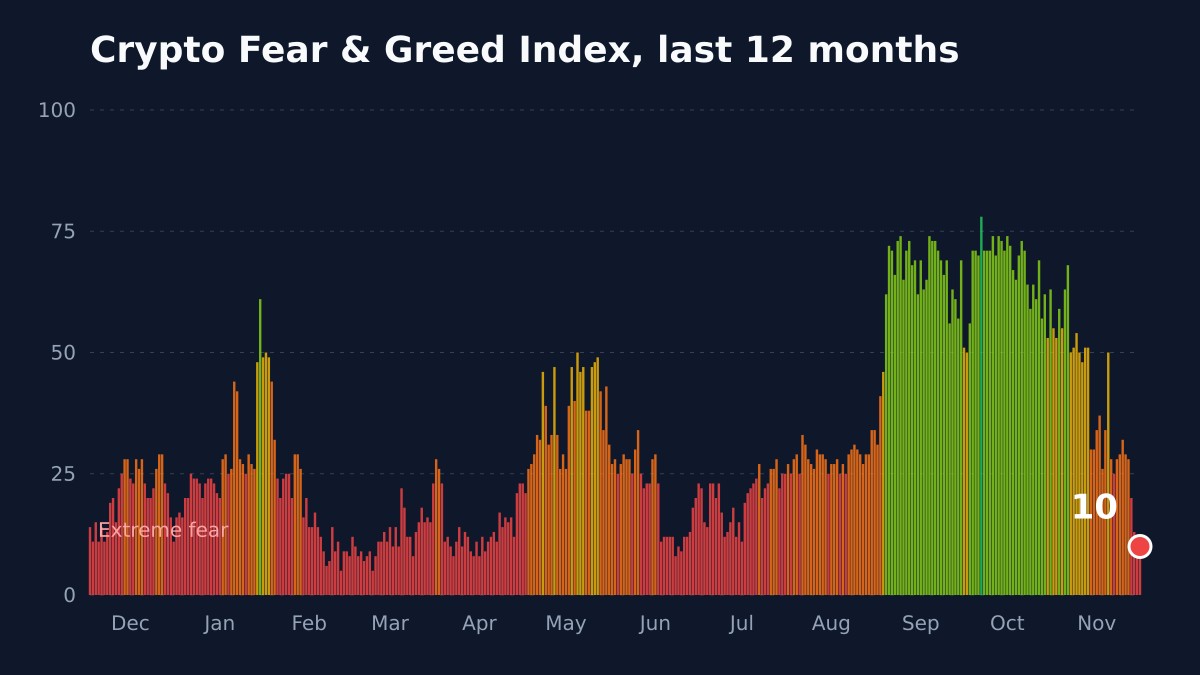
- Crypto Fear & Greed IndexToday's Crypto Fear & Greed Index with history since 2018, plus what Bitcoin actually did over the following 30 and 90 days after each zone.13Extreme Fear
- Altcoin Season IndexIs it altcoin season? The share of the top 50 altcoins that outperformed Bitcoin over the last 90 days, updated daily, with history and the full coin table.44Neutral