Ethereum whales distribute as transfers hit 1.17M; $167.8M withdrawn from Binance
Ethereum whales are distributing as transfer count hits 1.17M (14D MA). Stable exchange reserves, $167.79M Binance withdrawal, and large block trades signal volatility.
Lead
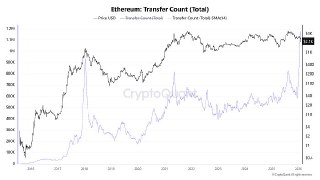
Ethereum's on-chain activity is flashing distribution signals as large holders step up selling into a market dominated by seller pressure. A key usage metric — the network's transfer count — has surged to 1.17 million (14-day moving average), a level last seen near major market peaks in 2018 and 2021. At the same time, a whale withdrew 80,000 ETH (~$167.79 million) from Binance, amid a flurry of large block transfers.
On-Chain Signals
- Ethereum transfer count: Reached 1.17 million on a 14-day moving average, a threshold historically associated with peak volatility and potential distribution phases.
- Exchange reserves: Despite heightened activity, exchange-held ETH balances appear relatively stable in the near term. Over the longer horizon, reserves have trended lower since mid-2022, while price has swung between roughly $900 and $3,500.
Taken together, the data suggests recent selling pressure may not be driven by a simple accumulation of coins on exchanges. Instead, large entities are reducing risk and distributing through a mix of venues and instruments, increasing the likelihood of sharp swings and potential deleveraging events.
Whale Flows and Large Transfers
Market trackers observed a series of sizable ETH movements involving exchange hot wallets and large private addresses, including:
- 15,000 ETH (~$31.48 million)
- 25,000 ETH (~$52.43 million)
- 40,000 ETH (~$83.88 million)
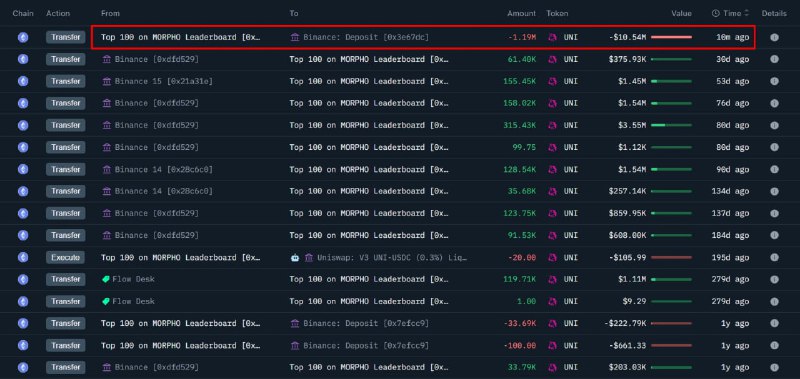
In a standout transaction, a whale address withdrew 80,000 ETH (~$167.79 million) from Binance. While outflows from exchanges can signal holding behavior, the broader context of elevated transfer activity and reports of aggressive distribution by large holders underscores the complex, two-way flows currently shaping Ethereum's market structure.
Market Impact
- Dominant seller pressure: Large holders appear to be trimming exposure, contributing to a market environment characterized by progressive capitulation and the risk of cascading liquidations across derivatives.
- Not retail-led: The scale and coordination of these moves are typically associated with institutional or whale activity, rather than retail-driven flows.
Outlook
With transfer activity at historically elevated levels and whale-sized transactions on the rise, volatility risk remains high. Traders may want to monitor:
- Transfer counts and other usage metrics for signs of distribution or exhaustion.
- Exchange reserves for shifts in spot market supply.
- Whale flows through major exchanges and large address clusters.
Sustained stability in exchange reserves alongside heavy whale activity suggests the next decisive move could materialize quickly as liquidity and leverage adjust.
- #Ethereum
- #whales
- #CryptoQuant
- #Binance
- #on-chain data
- #ETH transfers
- #market volatility
Track it live
Indicators behind this story, updated daily.
- Bitcoin Options Volatility and Max PainHow big a move are options traders pricing in? Live Bitcoin and Ether implied volatility (DVOL), put/call ratios, max pain for the upcoming expiries, and whether calm markets really come before big moves.51.7BTC implied volatility
- Bitcoin MVRV Z-ScoreIs Bitcoin cheap or expensive against what its holders paid? Live MVRV Z-Score, MVRV ratio and realized price, with every cycle's high and low since 2011 and what followed each zone.0.22Z-Score · Neutral
- Crypto Fear & Greed IndexToday's Crypto Fear & Greed Index with history since 2018, plus what Bitcoin actually did over the following 30 and 90 days after each zone.11Extreme Fear
- Ethereum technical analysisTrend, RSI, moving averages, support and resistance for ETH, updated daily.